Workshops
Focused hands-on sessions around interesting ideas, skills, or challenges.
Hands-on experiences that help children explore ideas, apply what they know, create things and discover new interests.
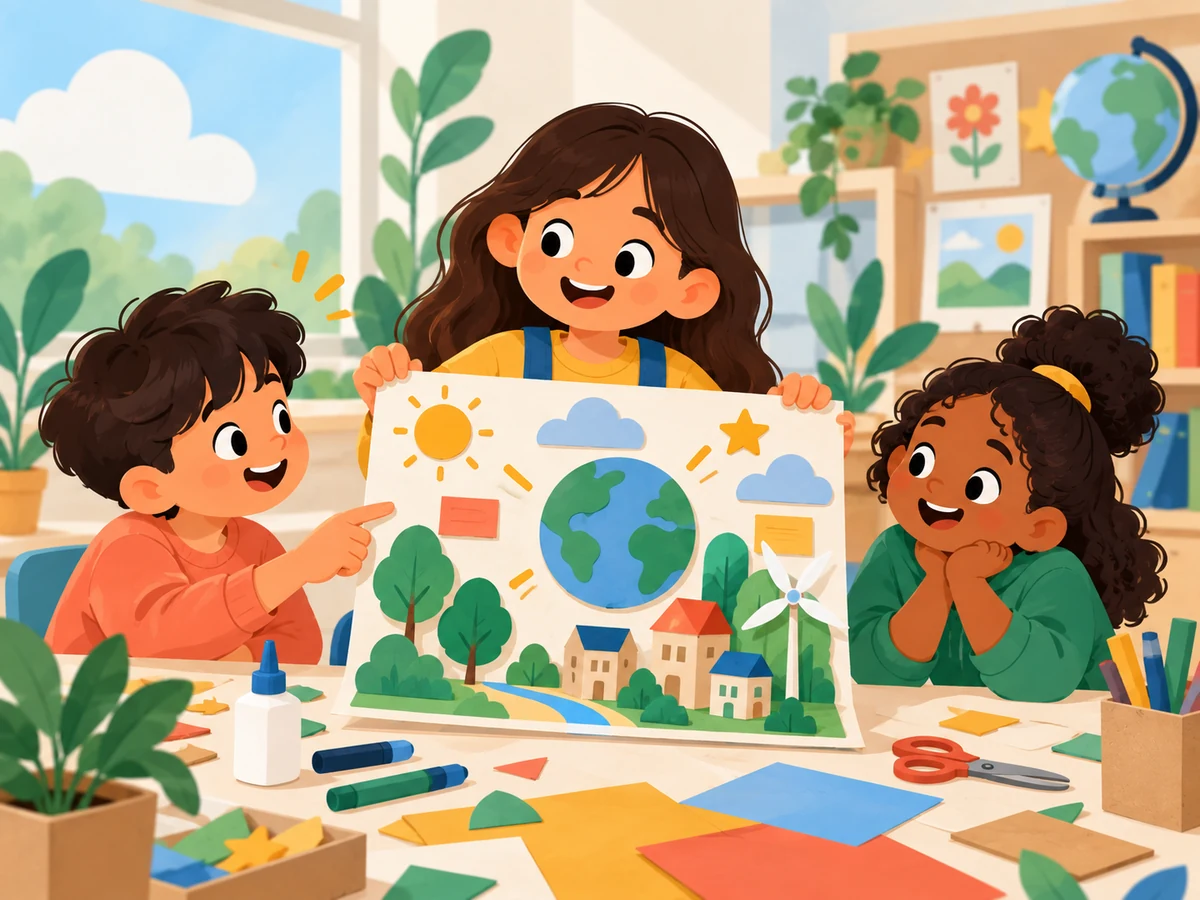
A child can memorize a fact and forget it by Friday. But when they build a bridge, solve a problem, or explain an idea to someone else, the learning sticks.
Every experience is built around a simple idea. Children learn best when they are making, solving, and discovering for themselves.
Illustrative experiences; enquire for availability
Focused hands-on sessions around interesting ideas, skills, or challenges.
Guided challenges where children investigate, solve, make, or create.
Multi-day experiences combining projects, activities, and exploration.
Interactive sessions where children learn with educators and other children.
Hands-on sessions built around one interesting idea, skill, or challenge.
Children investigate, solve, make, or create something worth showing.
Multi-day experiences combining projects, activities, and exploration.
Interactive sessions where children learn with educators and other children.
Children learn together, ask questions, and share what they make.
A challenge gives a child something worth solving. They investigate, test ideas, and make something they can stand behind.
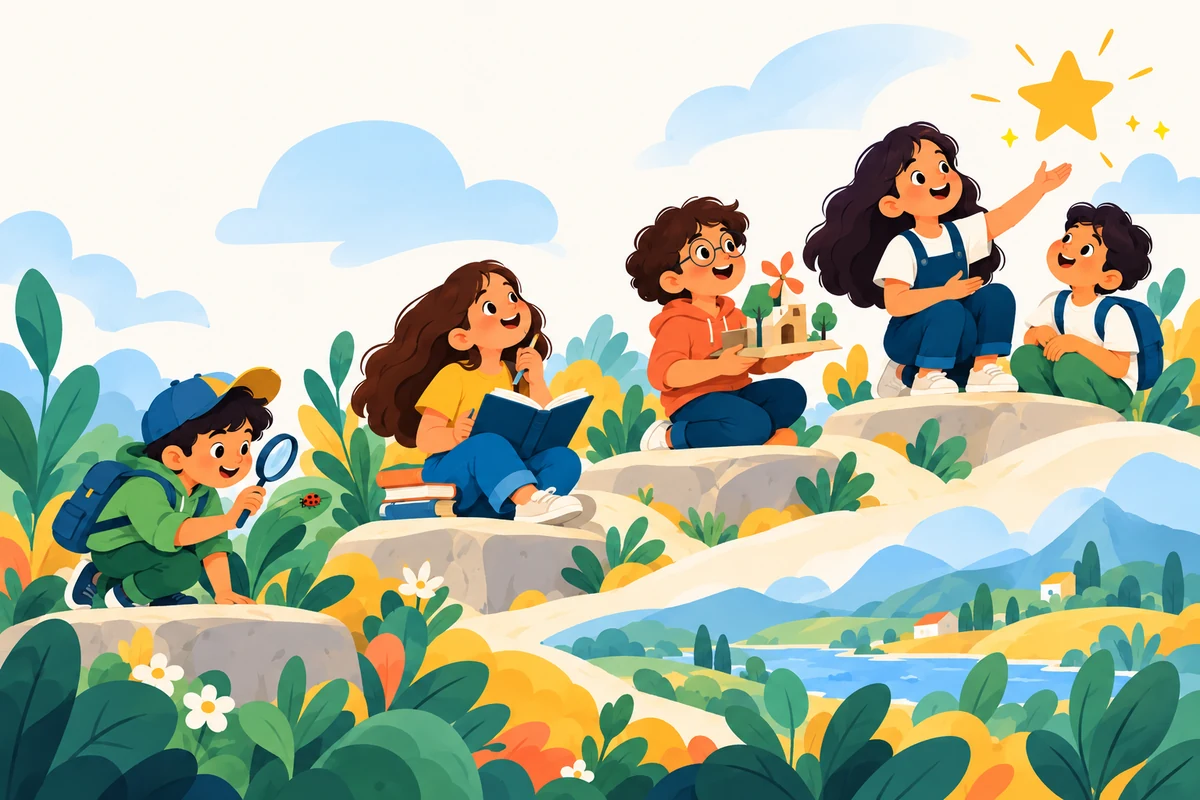
Children dig into a problem and figure out what they need to know.
They make something real, test it, and improve it.
Every challenge ends with a child explaining their work.
Multi-day experiences combine projects, activities, and exploration. Children go deep on an idea and come out with work they are proud of.
Children move between focused projects, hands-on activities, and time to explore ideas together.
They build something over several days, testing and improving it as they go.
Children work alongside others who are curious about the same things.
Every programme ends with something made, shared, or solved.
Illustrative experiences; enquire for availability
01 · Live sessions
Children learn together in real time, ask questions, and share what they make. A live session feels like a room full of curious people.
02 · Small groups
Children talk, build, and figure things out with others who are just as curious.
04 · Show work
At the end of a session, children show their work and explain their thinking. It makes the learning real.
Find a workshop, challenge, or programme that fits your child.
Illustrative experiences; enquire for availability
Children design and test a bridge that holds real weight.
A guided investigation where children gather clues and explain what happened.
A multi-day programme where children build a machine that does real work.
An interactive session where children write and share a story worth hearing.
Children learn to read the night sky and make their own star map.
A group challenge where children plan and build a city that works.
A child can watch a video about bridges. Or they can build one and watch it hold. The second one stays with them.
Children dig into a problem and figure out what they need to know.
They make a thing that works, test it, and improve it.
They try things that do not work, learn why, and try again.
Every experience ends with a child explaining what they made and why it matters.
Straight answers for parents who want to know what their child is getting into.
Experiences are built for children aged 5 to 12.
Most materials are simple things you already have at home. Ask about the materials for the experience you are interested in.
A workshop, a challenge, a holiday programme. Something real to dig into and make their own.